JOB-ORIENTED HEALTHCARE & LIFE SCIENCE TRAINING
100% Placement AssistanceMedical Coding Course with Job-Oriented Training & Placement Assistance
Build practical, industry-relevant skills for a career in the growing healthcare industry. At RACE - Royal Academy of Career Excellence, we provide career-focused training in Medical Coding, Pharmacovigilance, Clinical Research, Clinical Data Management (CDM) and Revenue Cycle Management (RCM).
KEY HIGHLIGHTS
5000+ Students Trained & Supported
CPC Certification Course in Medical Coding with AAPC Exam Preparation & Placement Assistance
Are you ready to step into one of the fastest-growing sectors in healthcare administration? The CPC certification courses in medical coding from RACE are specially designed to transform you into an industry-ready professional. Whether you are a fresh life science graduate, a healthcare enthusiast, or someone looking for a high-growth career shift, our comprehensive training program opens doors to global opportunities.
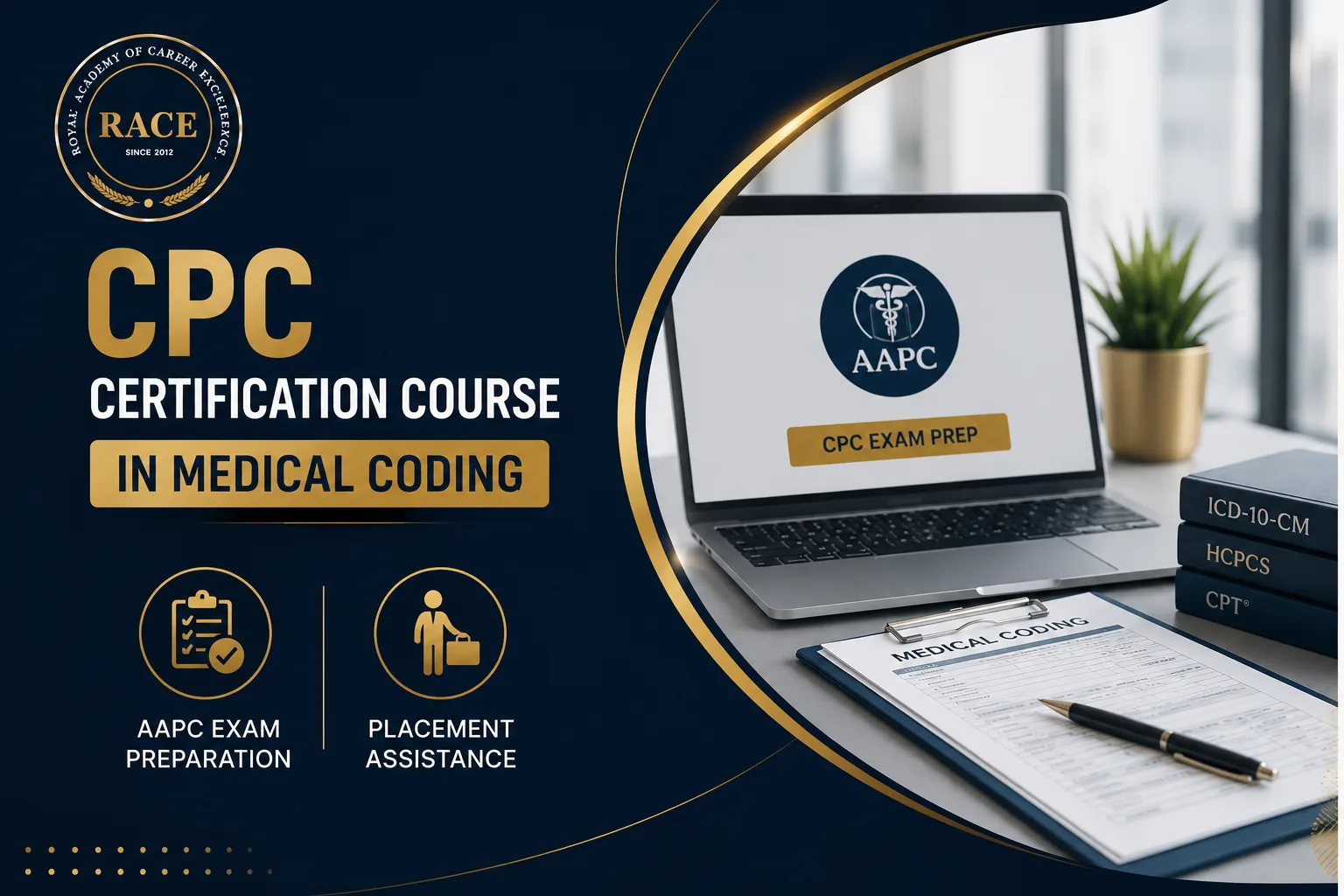
Key Features of the CPC Certification Course
Practical, hands-on coding from day one
AAPC CPC exam-focused preparation
Real medical records & case-study practice
ICD-10-CM, CPT & HCPCS coding mastery
CPC-certified trainers with industry experience
Placement support with Pune healthcare BPOs
What is CPC Certification and Why Does It Matter?
CPC (Certified Professional Coder) is one of the most recognised certifications in the medical coding industry. Offered by the AAPC (American Academy of Professional Coders), it is widely valued by healthcare employers across India and around the world.
Offered by the AAPC, the professional medical coder certification validates your knowledge in the field of medical coding and your ability to accurately assign codes for diagnoses, procedures, and healthcare services.
Earning a CPC certification demonstrates to employers that you have the skills and industry knowledge required to work as a professional medical coder. Furthermore, it can also enhance your job prospects, increase your credibility, and open doors to career opportunities with leading healthcare organizations.
For aspiring medical coders, the CPC certification is often considered an important step toward building a successful career in the healthcare industry.
Who Should Take This Course?
This CPC medical coding course is designed for:
- Freshers from B.Pharm, M.Pharm, B.Sc (Life Sciences), BAMS, BHMS, BDS, or similar backgrounds
- Working professionals who want to shift into medical coding
- Anyone who has already completed a basic medical coding course and wants to upgrade their credentials
- Candidates who want to appear for the AAPC CPC exam with proper structured preparation
If you have a science background and want a career that's in-demand, recession-proof, and offers remote work flexibility, then this course is built for you.
Why Choose a CPC Certification Training Course Over a Regular Coding Course?
The answer is simple: CPC-certified coders earn more, get hired faster, and are a more preferred choice by employers.
The healthcare industry in India is growing at a rapid pace, and so is the demand for trained medical coders who can handle US-based billing processes. Companies specifically look for candidates who are CPC certified because it means they don't need to spend extra time and resources training them from scratch.
Beyond India, CPC certification is recognized globally. This means your career options aren't limited to one city or country. You can work with international healthcare companies and BPOs, or even work remotely from home once you gain some real-world practical experience.
Course Overview & Learning Experience
Our Medical Coding Training Program is designed to help you learn through practical application, not just classroom theory. With a focus on hands-on training and real-world scenarios, you will develop the skills and confidence needed to succeed in the healthcare industry.
What You Will Learn
Throughout the program, you will learn how to understand medical records, interpret clinical documentation, identify diagnoses and procedures, and assign accurate medical codes using industry-standard coding systems. You will also gain a strong understanding of coding guidelines, healthcare regulations, and best practices followed by healthcare organizations worldwide.
Our Training Approach
We combine expert-led instruction with practical coding exercises, case studies, and interactive learning sessions to create an engaging learning experience. Rather than simply memorizing concepts, you will learn how to apply your knowledge to real-world healthcare documentation and coding scenarios.
This hands-on approach helps you build job-ready skills, prepare confidently for the CPC certification exam, and gain a deeper understanding of how medical coding works in today's healthcare industry.
CPC Exam: What You Need to Know
The AAPC CPC exam is a 5-hour, 100-question multiple-choice exam that tests your ability to code across different medical specialities. It covers ICD-10-CM, CPT, and HCPCS coding, along with medical terminology, anatomy, and compliance.
- CPC Eligibility: Any graduate with a life science background can apply. No prior work experience is mandatory to attempt the exam.
- CPC Exam Fees: The AAPC charges an exam fee (discounted for AAPC members). Our team will guide you through the registration process step by step.
- Passing Criteria: You need to score at least 70% to pass the exam and earn your CPC credential.
- CPC Syllabus: Our course curriculum is aligned with the latest AAPC CPC syllabus, so you never study outdated content.
At RACE, we don't just hand you study material and send you on your way. Our CPC exam preparation includes dedicated doubt-clearing sessions, timed mock tests, strategy workshops, and one-on-one support from CPC-certified trainers.
Why Students Love Learning with Us
- CPC-Certified Trainers: Learn from qualified professionals with extensive experience of 22+ years in medical coding and healthcare services.
- Industry-Focused Curriculum: Stay aligned with current healthcare industry requirements and coding standards.
- Hands-On Practical Training: Build real-world coding skills through exercises, assignments, and case-based learning.
- Real Healthcare Case Studies: Gain practical exposure by working on scenarios that commonly arise in the workplace.
- Personalized Mentorship: Receive individual guidance, doubt-clearing support, and continuous encouragement throughout your learning journey.
- Regular Assessments & Feedback: Monitor your progress through tests, mock exams, and performance reviews designed to keep you exam and job-ready.
At RACE Institute, we combine expert training, practical learning, and dedicated support to help you confidently prepare for CPC certification and a successful career in medical coding.
RACE CPC Certification Course Modules
The purpose of RACE's CPC Certification program is to help students advance from the fundamentals of medical coding to practical coding skills and CPC exam preparation. The CPC training program includes anatomy, ICD-10-CM, CPT®, HCPCS Level II, modifiers, body-system coding, Evaluation and Management (E/M), Medicine and other key topics. Each session provides concepts that medical coders need to know, with hands-on learning and coding activities where appropriate.
Module 1: Review of Anatomy
Coding is considerably less complex when you have a firm grasp of anatomy. This subject deals with the major body systems and other systems that are important to medical coding, including the skeletal, muscular, cardiovascular and digestive systems.
Commonly used medical terminology, including the use of anatomical terms in medical records, will also be covered. The focus is on learning the basic skills needed to read medical records and identify the data needed for accurate coding.
Module 2: Introduction to ICD-10-CM
This session introduces the diagnosis coding method used in medical coding, ICD-10-CM. Students are taught the organization of the code set, the structure of the chapters and the use of the Alphabetic Index and the Tabular List.
Participants will also learn how to select diagnosis codes from documentation and why accurate diagnosis coding is important to the patient record, reimbursement and healthcare claims.
Module 3: Use of ICD-10-CM Guidelines
Coding guidelines are some of the most important aspects of being a good medical coder. This subject provides students with the necessary abilities and knowledge to review medical records as required by ICD-10-CM.
Topics include sequencing, chapter-specific directions, laterality, combination codes and documentation requirements. Students are taught how to apply these rules in practice and in coding scenarios, rather than just memorizing them.
Module 4: Correct Coding of ICD-10-CM
This topic takes you from the fundamentals to practical diagnosis coding. Students select ICD-10-CM codes based on knowledge of patient cases and medical documentation.
The training includes common coding errors, lack or poor documentation, and appropriate use of coding rules. With practice, students get more comfortable reviewing documentation and picking the right diagnosis codes.
Module 5: Basic Review of CPT®, HCPCS Level II & Modifiers
Diagnosis codes describe the patient's condition, while procedure codes describe the services and operations performed. This session provides the learner with an introduction to CPT® coding, HCPCS Level II, and modifiers.
Students learn about CPT® codes, HCPCS Level II codes for equipment, supplies and other medical services, and how modifiers provide additional information about procedures and services.
Students get real-world examples to learn when and why different modifiers are used.
Module 6: The Integumentary System
This subject is concerned with the coding of skin, wounds and soft tissues. Students are taught procedures such as lesion excision, wound treatment, skin grafts, debridement, and reconstructive surgeries.
Training emphasizes the details — location, size, depth, and complexity of a procedure — that determine code selection. Students learn to look for these details in medical records and apply them to coding.
Module 7: Movement System
Bones, joints, muscles, tendons, ligaments and the spine are all part of the musculoskeletal system. This subject teaches students how to code standard orthopedic conditions and surgery.
Training includes fracture treatment, orthopedic procedures, arthroscopy, joint replacement and spinal surgeries. Students gain experience reviewing surgical records and determining what information is needed to select the appropriate CPT® and ICD-10-CM codes.
Module 8: Respiratory System
This session focuses on coding for the respiratory system, from the nose and sinuses to the lungs. Students will be exposed to bronchoscopy, thoracic surgery, pulmonary testing and diagnostic and therapeutic techniques.
Understanding the various surgical techniques is emphasized, with special focus on finding information in the documentation that might affect the selection of the procedure code.
Module 9: Cardiovascular System
Understanding anatomy, procedures and coding guidelines is important in cardiovascular coding. This module includes codes for procedures and treatments for cardiac and vascular conditions.
Students learn about cardiac catheterization, angiography, pacemaker implantation, bypass surgery, and vascular treatments, with training on documentation review and proper application of coding principles.
Module 10: Diaphragm, Mediastinum, Hemic and Lymphatic Systems
This session covers the mediastinum, diaphragm, hemic, and lymphatic systems.
Students learn coding concepts for procedures including diaphragm repairs, splenectomy, mediastinoscopy, bone marrow procedures and lymph node biopsies. This subject also builds the anatomy knowledge required to understand these processes and choose the right codes.
Module 11: Digestion
The digestive system is a complex system that includes many organs and functions. These include the gastrointestinal tract, liver, pancreas, gallbladder, and rectum.
Students practice coding procedures such as endoscopy, colonoscopy, bariatric surgery, appendectomy, and hernia repair. Real-world examples help learners better understand the details of documentation that influence the choice of code.
Module 12: Male Reproductive and Urinary Systems
In this module you'll learn how to code for the kidneys, ureters, bladder, urethra, prostate and male reproductive organs.
Students are taught the most common urological treatments, including cystoscopy, lithotripsy, prostate surgery, vasectomy, and circumcision. The course also covers what documentation is needed to assign the right codes.
Module 13: Female Reproductive System and Maternity Care
This topic introduces students to the codes for gynecology and obstetrics. It includes pregnancy-related services, obstetric coding guidelines, and principles of maternal care.
Students are trained on pregnancy-related issues, cesarean and vaginal deliveries and global maternity packages. The focus is on understanding the documentation, and the reasons behind each code selection.
Module 14: Endocrine System and Nervous System
This section covers two critical components of medical coding: the endocrine and neurological systems.
Students are trained in neurosurgery, spinal procedures, peripheral nerve surgery, nerve blocks and treatments of the thyroid, adrenal and pituitary glands. Anatomy and documentation drive coding decisions here.
Module 15: Special Senses — Eyes and Ears
This module contains coding for services related to the eye and ear, such as ophthalmology and otolaryngology.
Students are taught about cochlear implants, hearing tests, cataract surgery, retinal surgery and ear surgery. The course also covers the anatomy that helps identify the correct code.
Module 16: Anesthesiology
Anesthesia coding follows its own set of rules and reporting requirements. The objective of this module is to acquaint students with the basic principles of anesthesia coding.
Topics include time-based reporting, base units, physical status modifiers and qualifying circumstances. Students also learn the relationship between anesthesia services and the surgical procedures they support, and how proper coding is accomplished through documentation.
Module 17: Radiology
This module deals with coding of diagnostic imaging and radiological services such as x-rays, CT scans, MRIs, ultrasounds, fluoroscopy, and nuclear medicine.
Students are instructed on the professional and technical components and how these might affect coding and modifier usage. Training also includes reviewing documentation to determine whether a service was performed, interpreted, or both.
Module 18: Pathology & Lab
Pathology and laboratory services must be carefully categorized based on the type of test or service rendered. This module covers laboratory testing, surgical pathology, cytology, microbiology and molecular diagnostics.
Students evaluate lab and pathology reports to determine when services should be billed separately and when coding guidelines require them to be bundled.
Module 19: Evaluation and Management Services (E/M)
Evaluation and Management coding is an important part of daily medical coding and CPC preparation. This session reviews current coding guidelines to determine the correct E/M level.
Through examples of office visits, hospital visits, consultations and preventive care, students explore concepts related to medical decision making and total time.
The goal is to make students comfortable reading documentation and correctly applying E/M coding guidelines.
Module 20: Medicine
The Medicine section covers a broad range of non-surgical medical services. Students will learn coding topics that include immunizations, mental health services, dialysis, chemotherapy, infusion treatment, allergy testing, cardiovascular diagnostics, pulmonary function tests, and rehabilitation services.
Since Medicine is a wide area of healthcare, this module broadens students' understanding of procedure coding and how it applies across different clinical settings.
Module 21: CPC Exam Preparation & Practice Exam
The final module brings together the concepts covered throughout the CPC training program.
Students practice with a full mock exam of 100 questions and timed practice, following the format of the AAPC CPC exam. The results are analyzed to identify areas needing further attention.
RACE also covers time management, exam technique and revision to help students feel more prepared and confident going into the certification exam.
During the preparation period, students also receive individual guidance on the areas they need to practice further.
Course Duration & Batch Timings
We offer both Online and Offline Classroom Training so you can choose the learning mode that suits you best. Also, we understand that every student has a different schedule and learning preference. That's why we offer flexible batch options to help you learn at a pace that works best for you.
Weekday Batches
Regular sessions from Monday to Friday for learners who prefer daily CPC training.
Weekend Batches
Ideal for working professionals and individuals who want to upskill or switch careers while managing their current commitments.
- Classes are conducted Monday to Friday
- Timing: Between 10:00 AM to 2:00 PM
Our schedule is designed to give you enough time to learn concepts, practice coding, work on case studies, and prepare for certification exams without feeling overwhelmed.
Whether you prefer learning from home or attending classes in person, you will receive the same quality training, expert guidance, and career support throughout the program.
For the latest batch dates and admission details, feel free to contact our team.
CPC Certification Course Fees
We provide affordable course fees with flexible payment options. Contact us for details on CPC Exam Fees and training packages.
Why Choose CPC as a Career Path?
If you are looking for a career that offers stability, growth, and long-term opportunities, becoming a CPC-certified medical coder can be a great choice.
- Strong Job Security: Healthcare is an essential industry, and the need for skilled medical coders continues to grow. This creates consistent demand and long-term career stability.
- Work-from-Home Opportunities: Many healthcare organizations offer remote and hybrid work options, giving certified medical coders greater flexibility in their careers.
- Career Growth & Better Earning Potential: As you gain experience and earn professional certifications, you can progress into advanced roles with increased responsibilities and higher salaries.
- Growing Industry Demand: With healthcare services expanding worldwide, CPC-certified professionals are increasingly in demand by hospitals, healthcare companies, and medical service providers.
Thus, a CPC certification can open the door to a rewarding healthcare career with excellent growth potential and opportunities both in India and globally.
Career Opportunities After CPC Certification
Once you are CPC certified, a wide range of roles open up in front of you:
- Medical Coder / Certified Professional Coder
- Medical Coding Auditor
- Coding Specialist (specialty-specific)
- Quality Analyst – Coding
- Revenue Cycle Executive
- Healthcare Documentation Specialist
Salary & Career Growth Potential
Entry-level CPC-certified coders in India typically start between ₹2.5 to ₹4 LPA, with experienced coders and auditors earning ₹6 LPA and above. Professionals who work with US-based clients or handle remote coding roles often earn significantly more.
Our Dedicated Placement Assistance Program
Our responsibility does not end when you pass your exam. Our CPC training with interview preparation includes several career acceleration programs:
- Resume Building Support
- LinkedIn Profile Optimization
- Mock Interviews
- Interview Preparation Sessions
- Placement Drives
- Career Guidance Workshops
What Makes RACE the Right Choice for CPC Training?
We are not just a training institute. We are a placement-focused academy that has been building healthcare careers since day one. Here's what sets us apart:
- Learn from Industry Experts: Our CPC-certified trainers bring real-world medical coding experience and practical industry knowledge into every session.
- Hands-On, Practical Learning: We believe the best way to learn medical coding is through practice. That's why our training includes coding exercises, case studies, and real-world healthcare scenarios.
- Complete CPC Certification Support: From exam registration guidance to mock tests and doubt-clearing sessions, we support you throughout your CPC certification journey.
- Dedicated Placement Assistance: Our career support team helps students with resume building, interview preparation, placement drives, and job opportunities to improve their chances of getting hired.
- Proven Track Record: With thousands of students trained and placed we have strong industry connections, and regular recruitment drives have helped aspiring healthcare professionals launch successful careers in medical coding.
- Quality-Focused Training: As an ISO-certified institute, we are committed to maintaining high training standards and delivering a learning experience that prepares students for real-world success.
At RACE Institute, our mission is simple to help you become CPC-certified, job-ready, and confident enough to build a successful career in the healthcare industry.
Admission Process : How to Apply?
Getting started with RACE Institute is streamlined, smooth, and transparent:
Submit Enquiry
Fill out the enquiry form or call us for a free counselling session
Career Counselling
Our academic counsellor will discuss your background and help you choose the right batch
Course Selection
Select the batch format (weekday/weekend, online/classroom) that aligns with your routine.
Batch Joining
Complete the admission formalities and confirm your seat
Reporting & Certification Preparation
Create professional security reports and prepare confidently for your certification exam.
Our Proud Recruiters
We have a strong corporate relationship across the Healthcare BPO, clinical research, and IT sectors. Top multinational corporations, healthcare IT giants, and specialised medical billing organisations regularly hire our students.













Complete CPC Certification Support
At RACE We support students throughout their certification journey. Our Support Includes
- CPC application guidance
- Exam registration assistance
- CPC study plan support
- Mock test evaluation
- Certification guidance
- Doubt-clearing sessions
From enrollment to certification, our team is always with you.
Our Placement Success
We believe numbers tell our story best. Our focus on quality training and strong corporate tie-ups has allowed us to achieve consistent milestones:
Placed Alumni
Consistent Placement Record
Active Corporate Partners
Annual Recruitment Drive
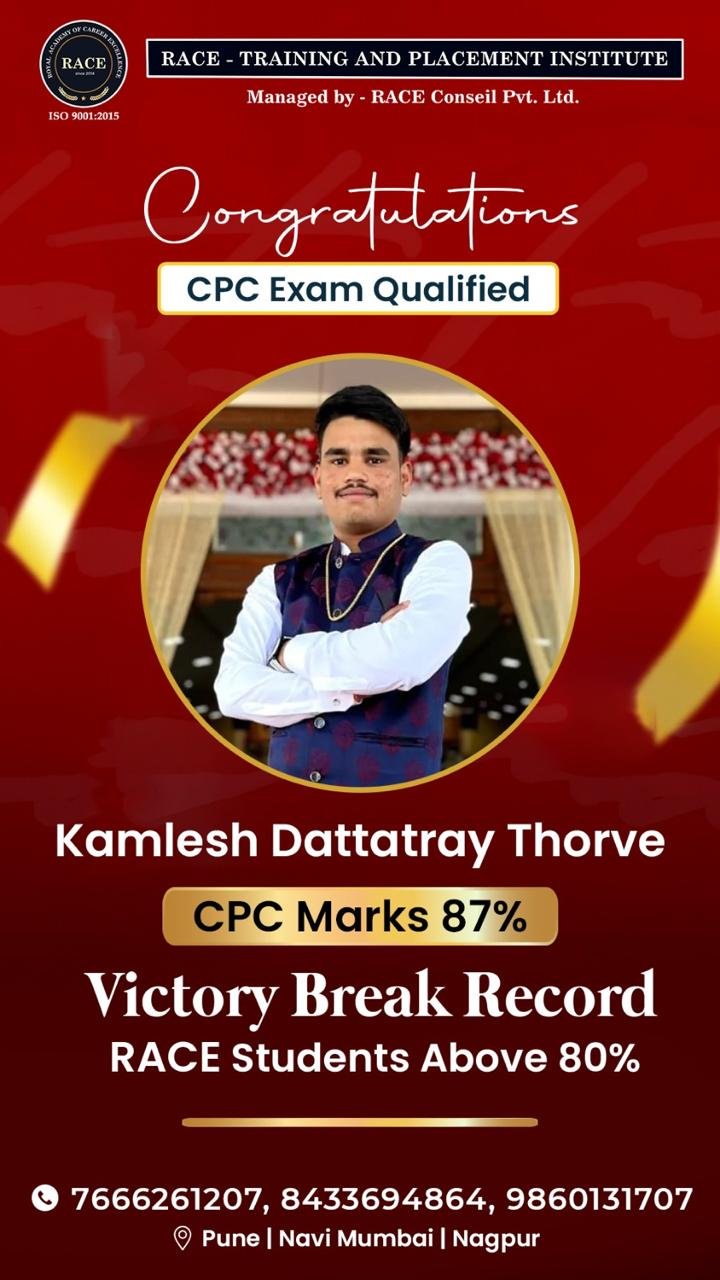
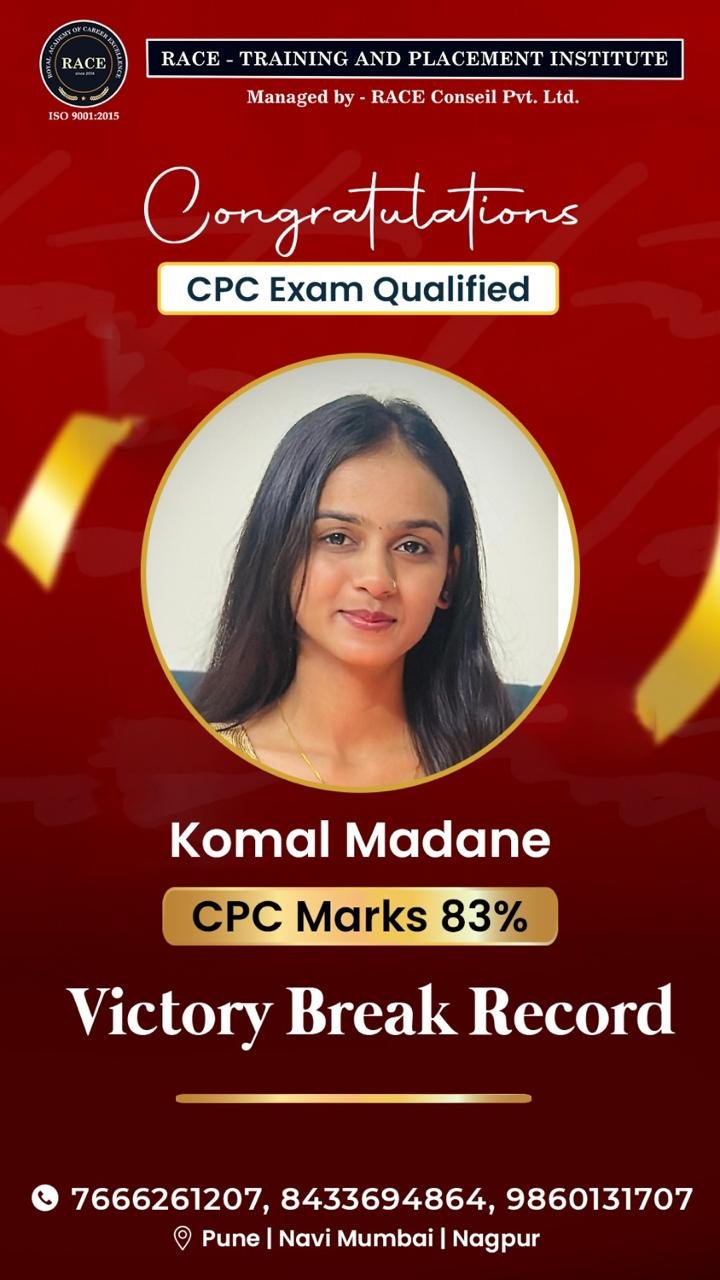
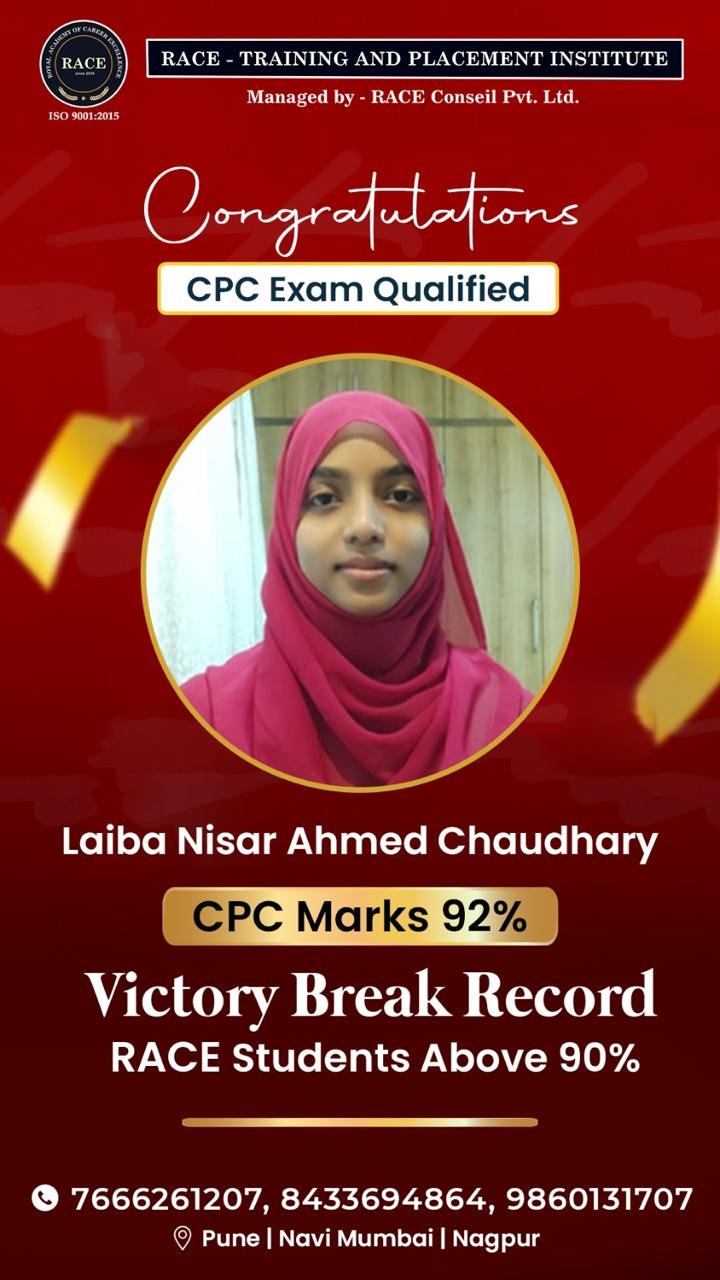
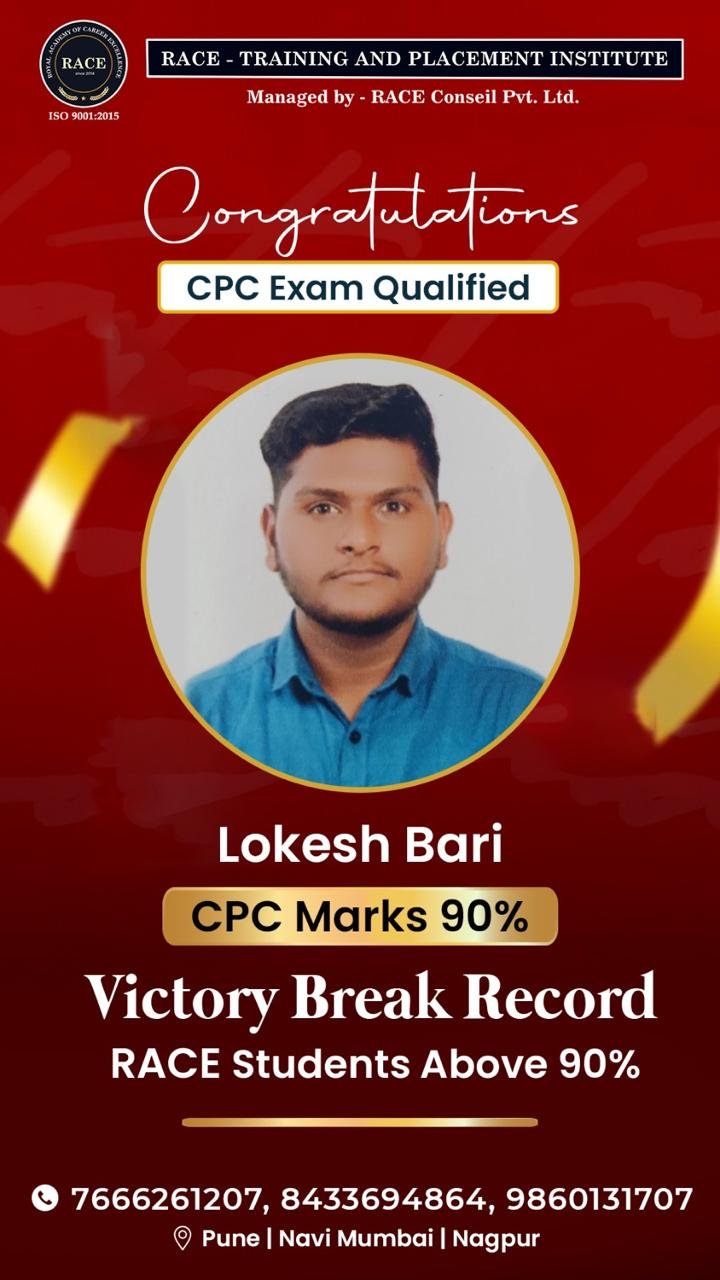
Our placed students
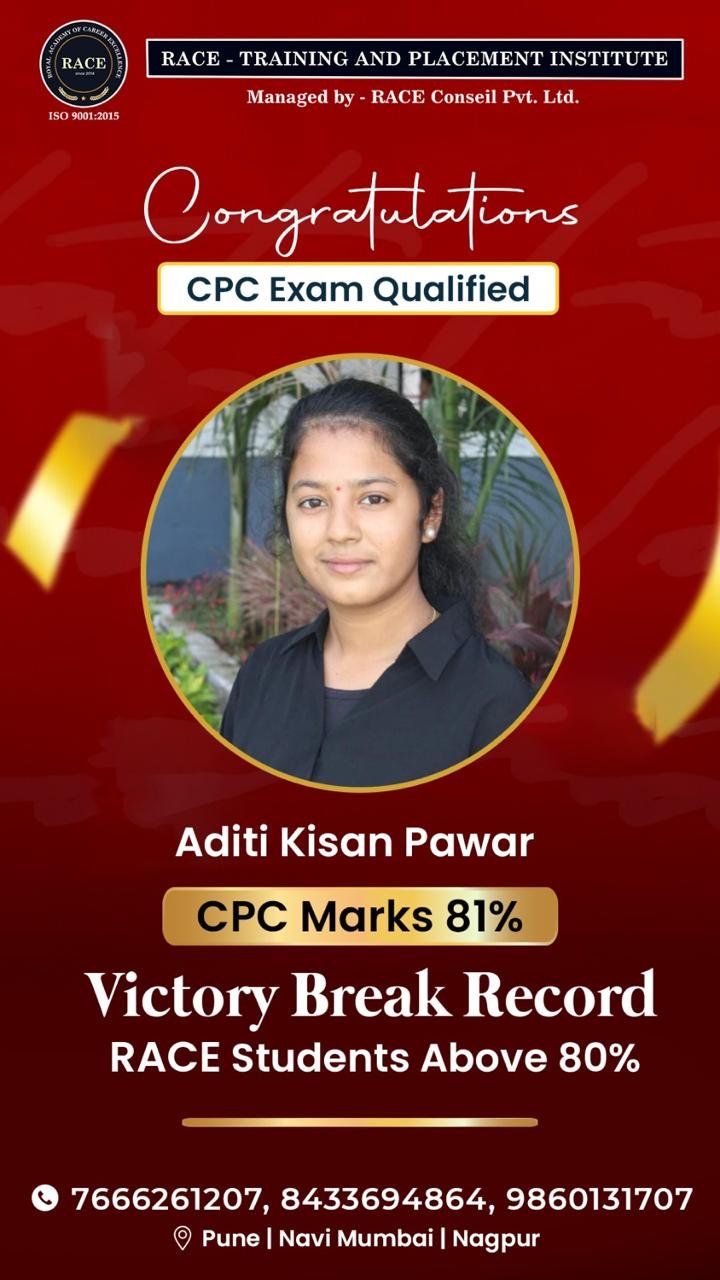
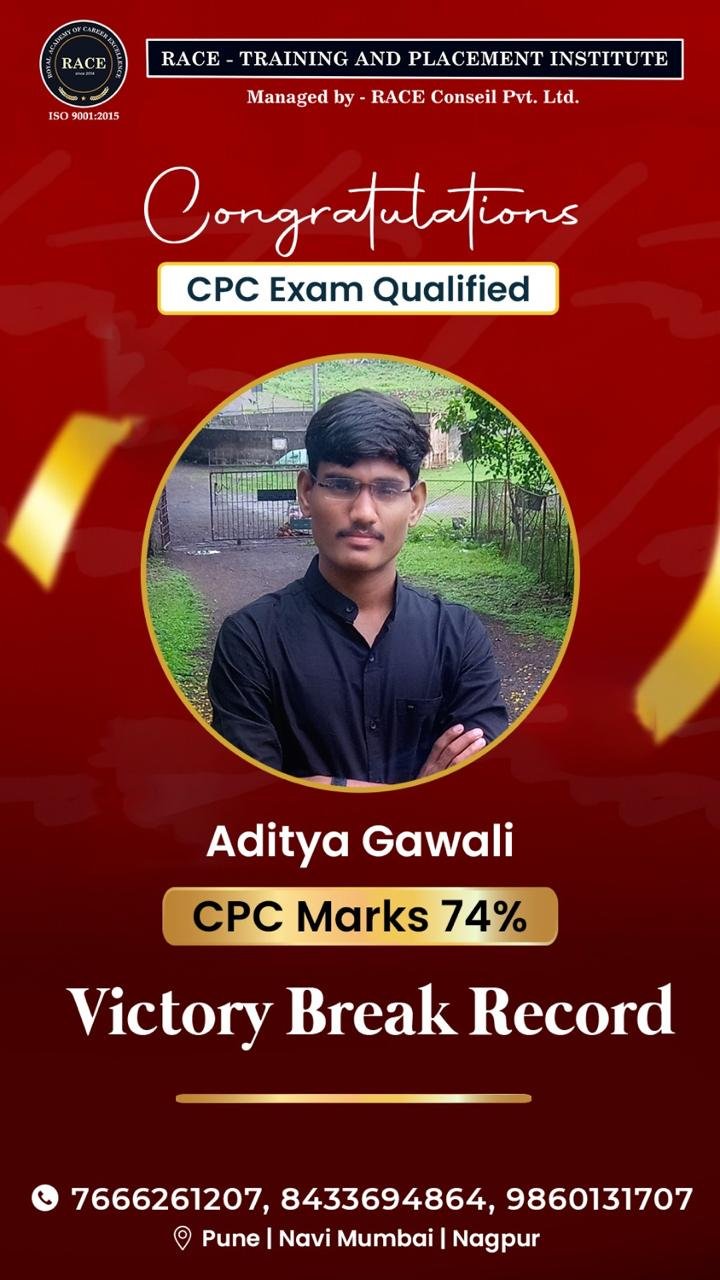
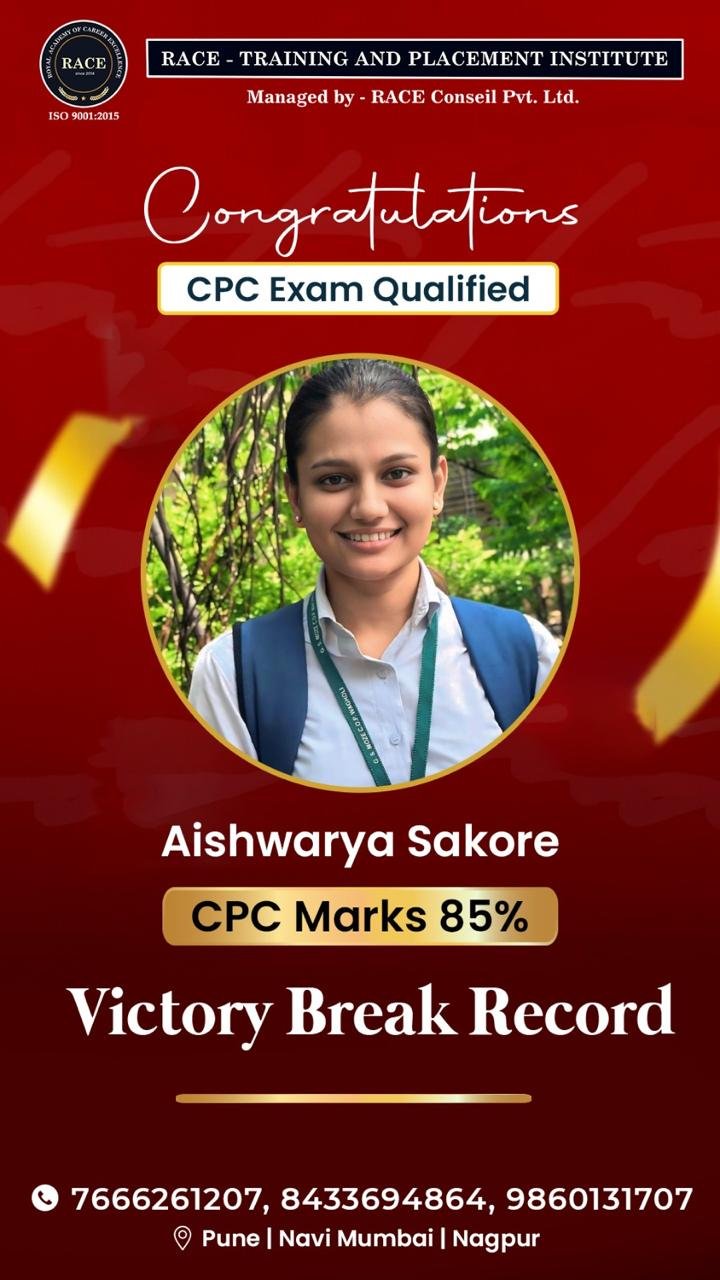
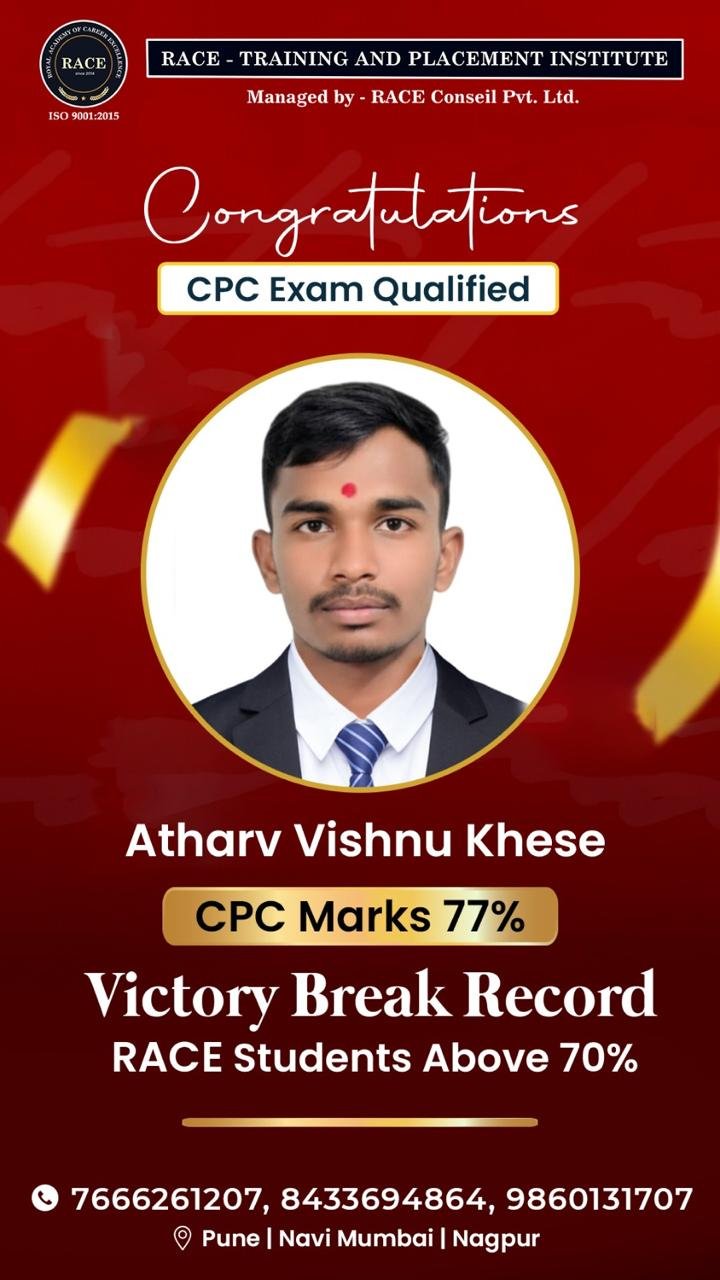
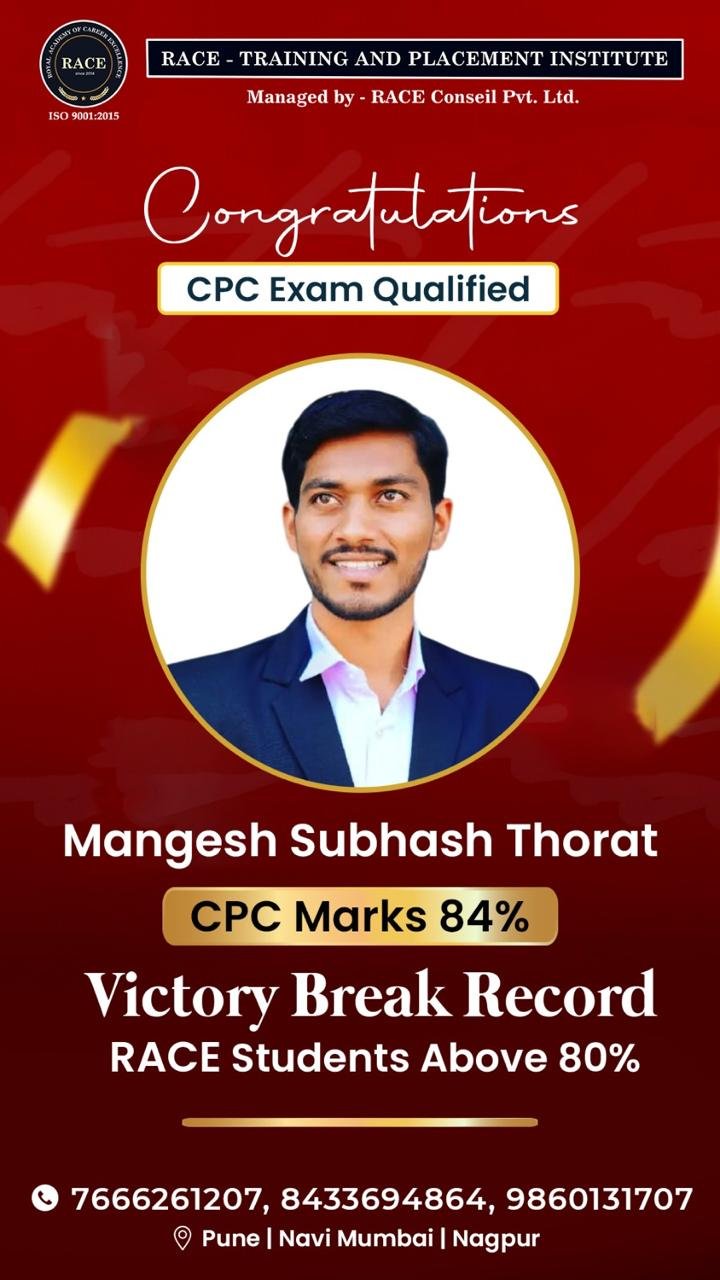
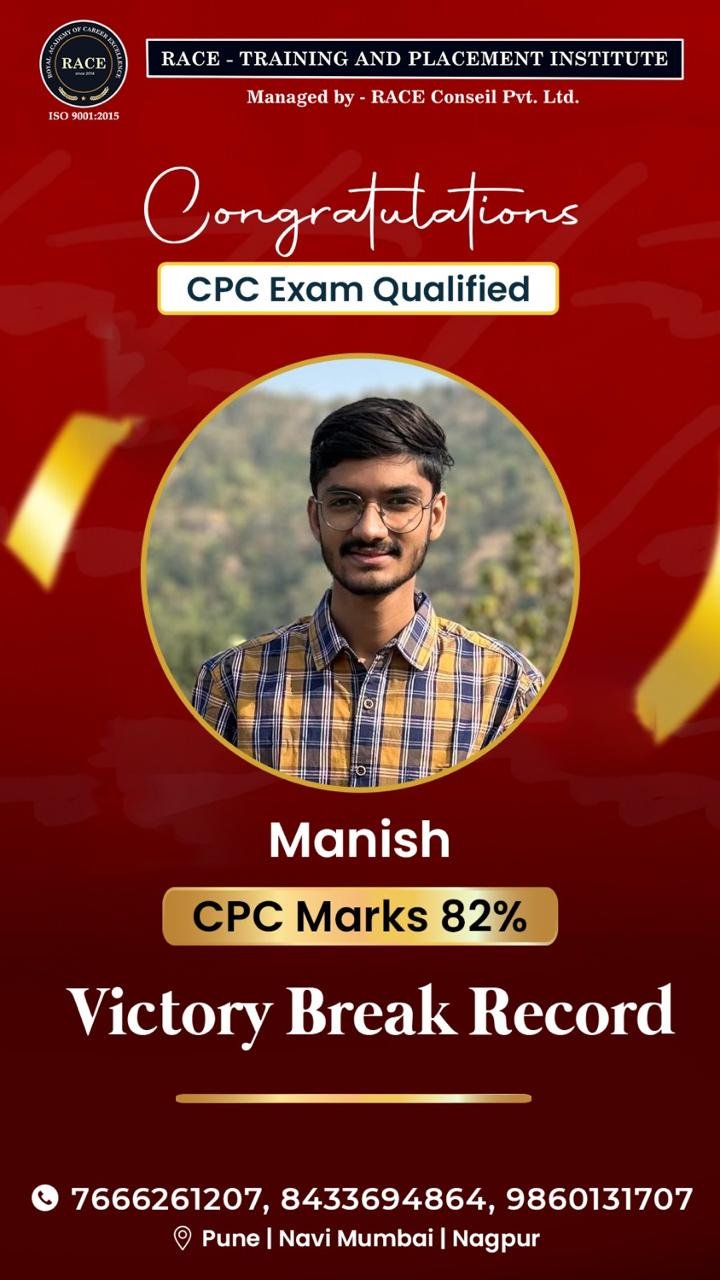
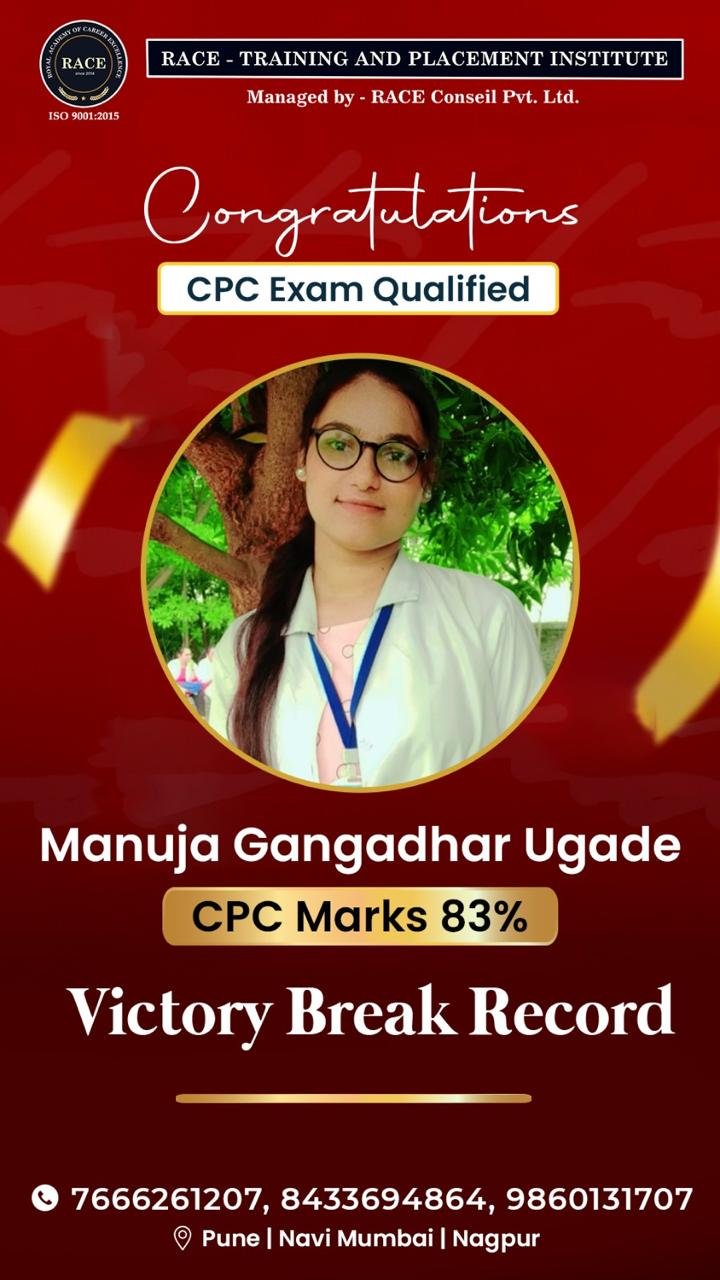
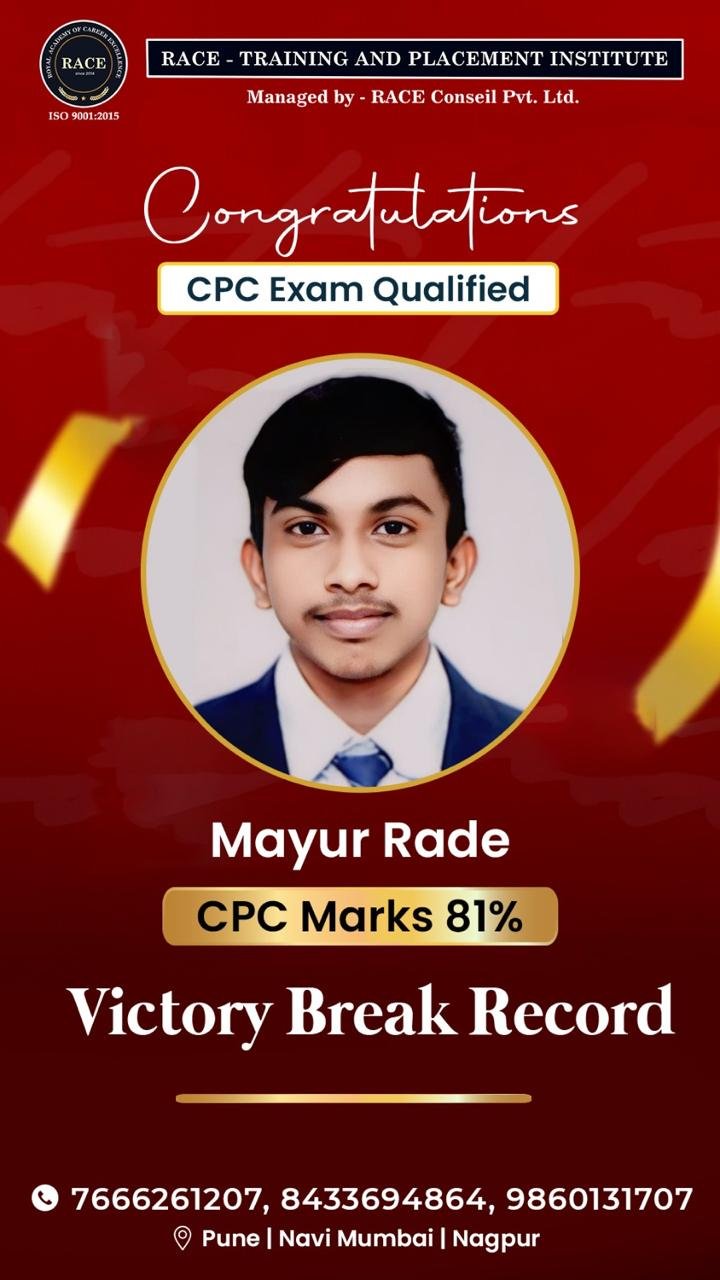
Over the years, we have helped thousands of students build successful careers in the IT healthcare industry. Students from RACE are working with some of the leading healthcare organisations, medical coding companies, and healthcare BPOs across India and abroad.
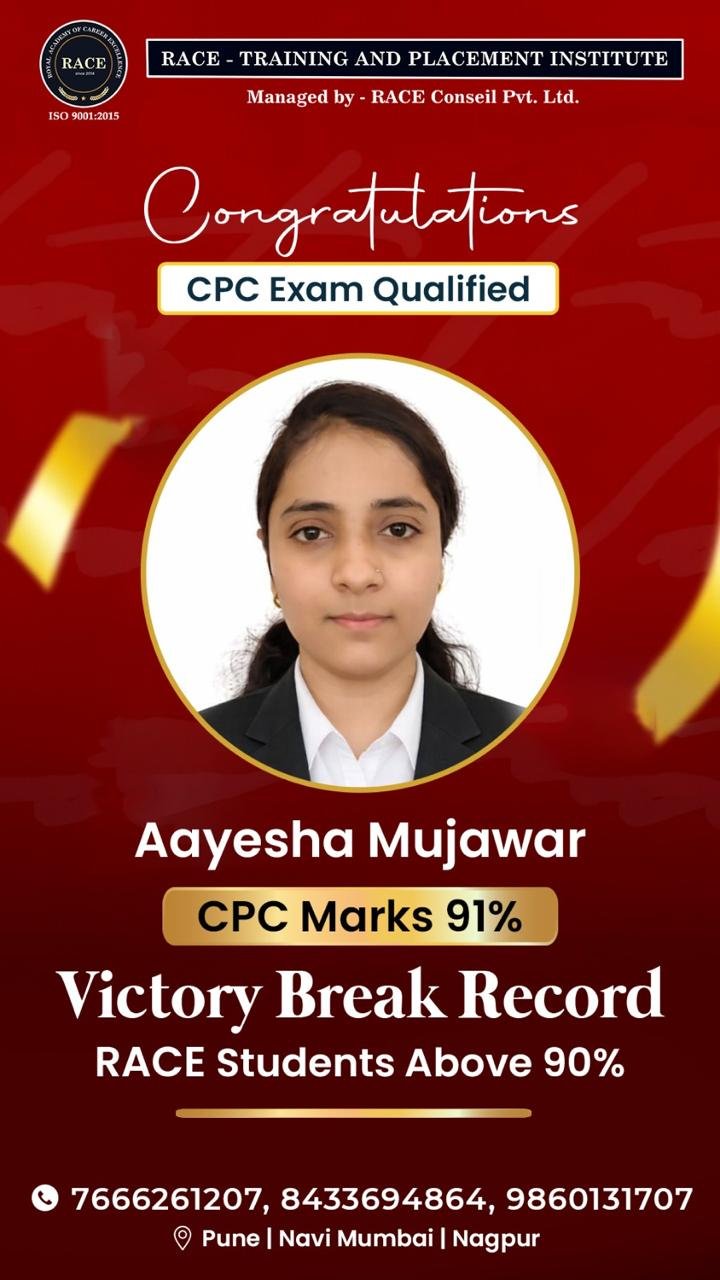
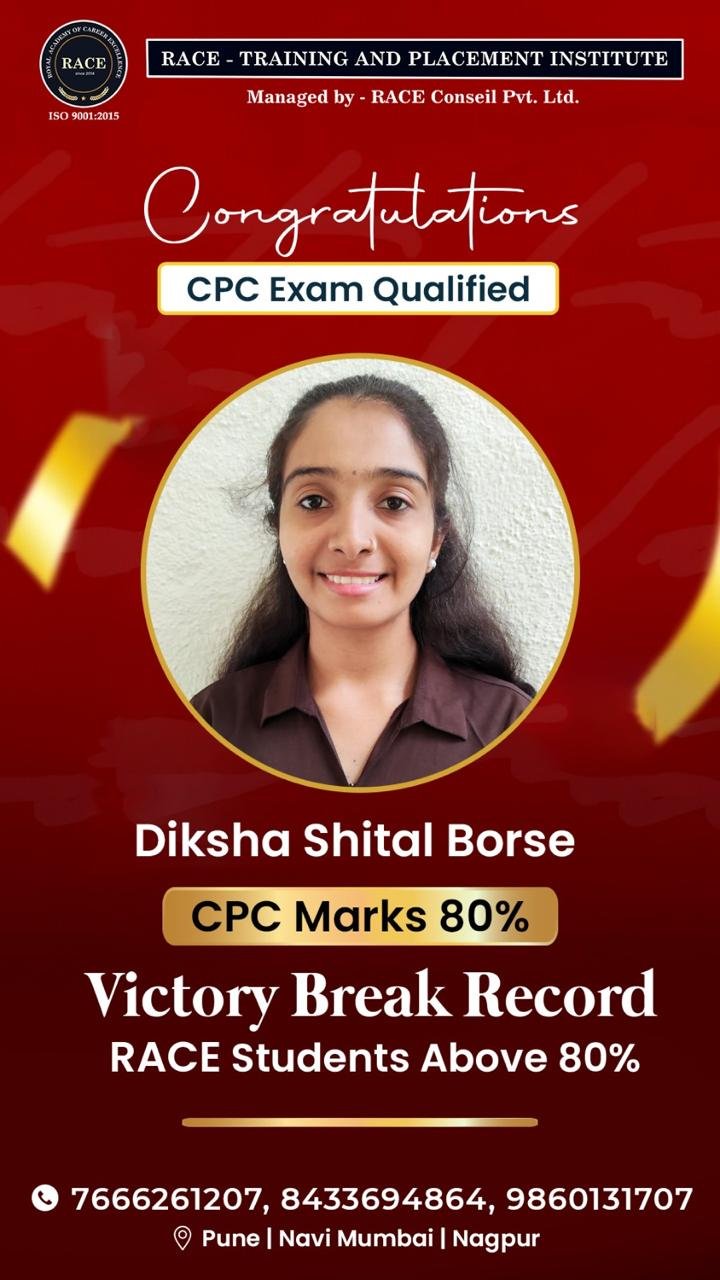
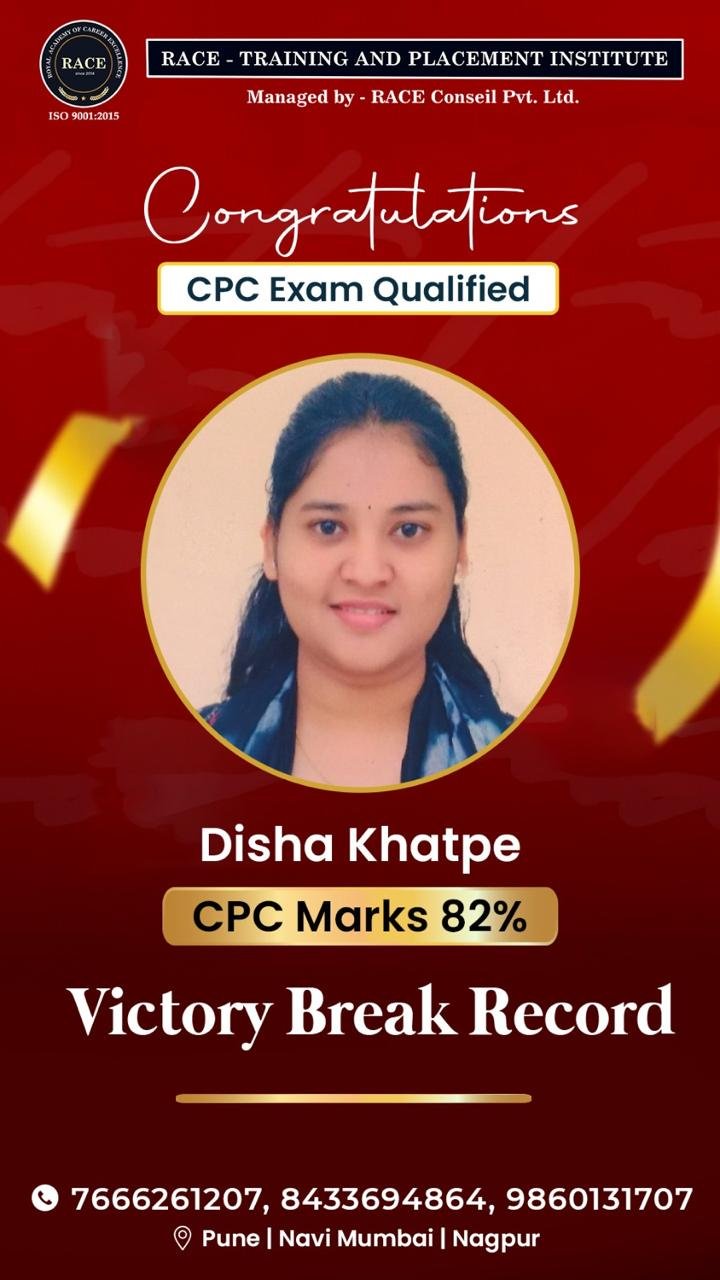
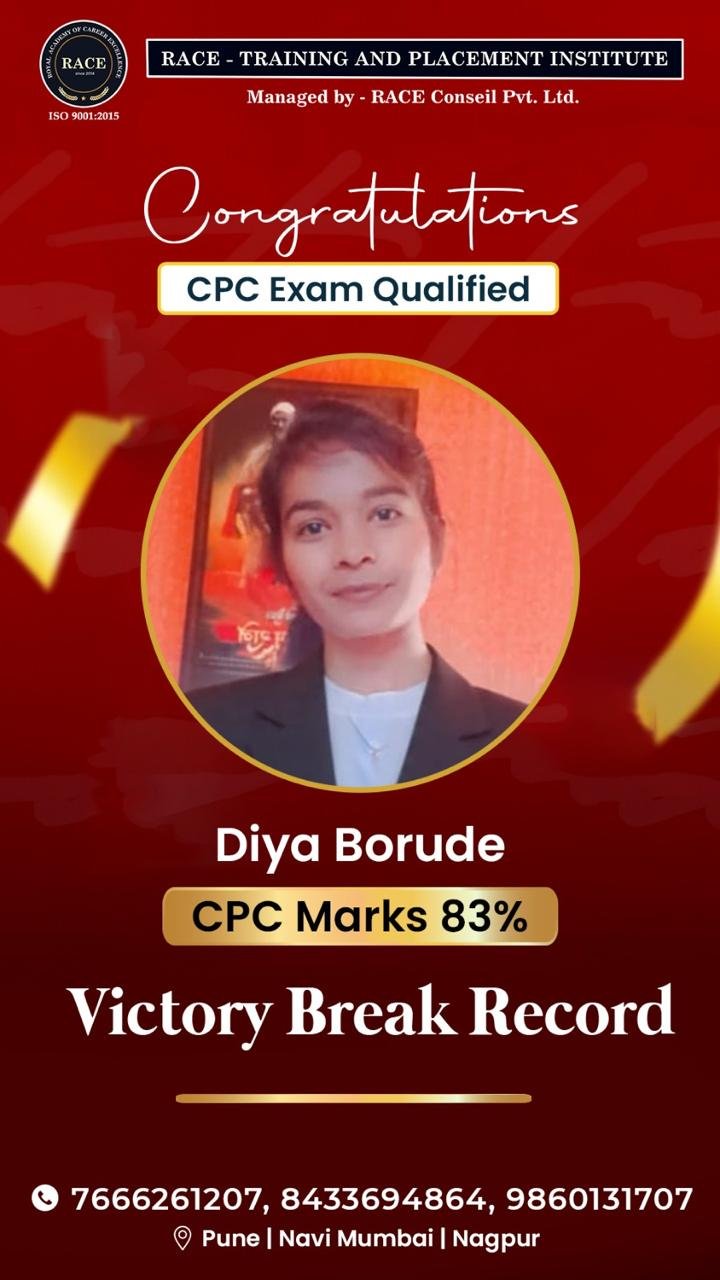
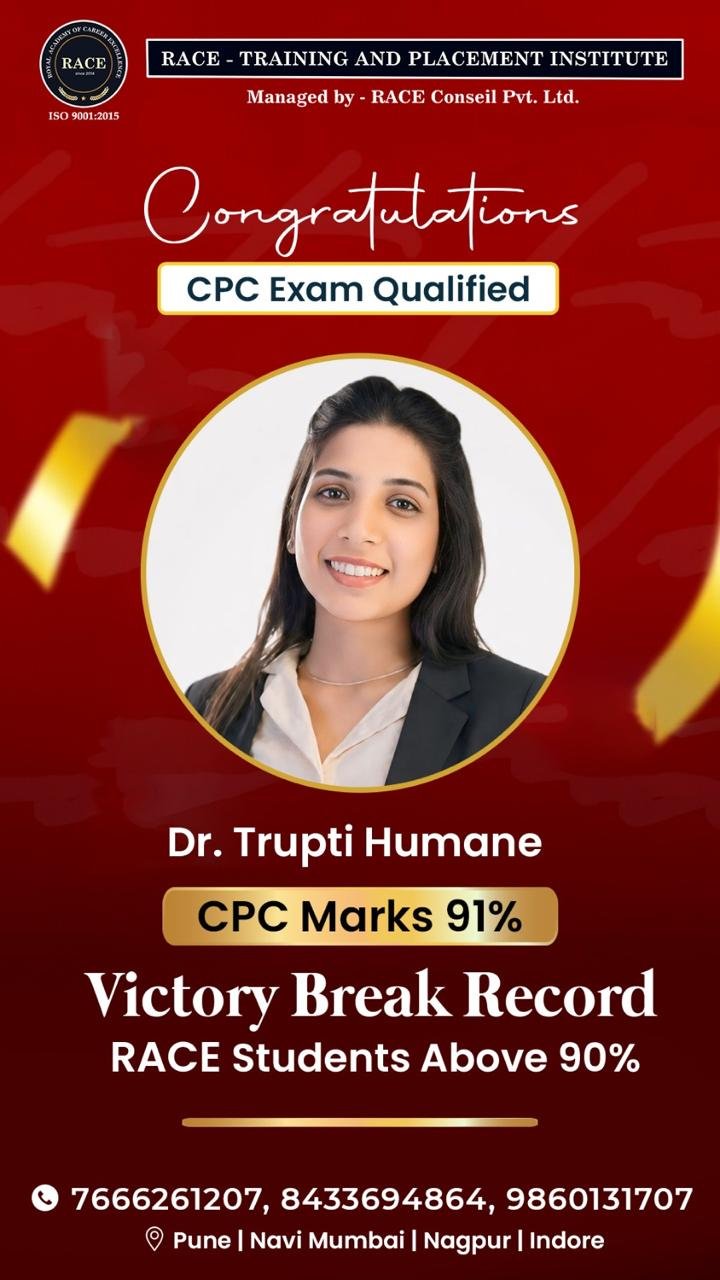
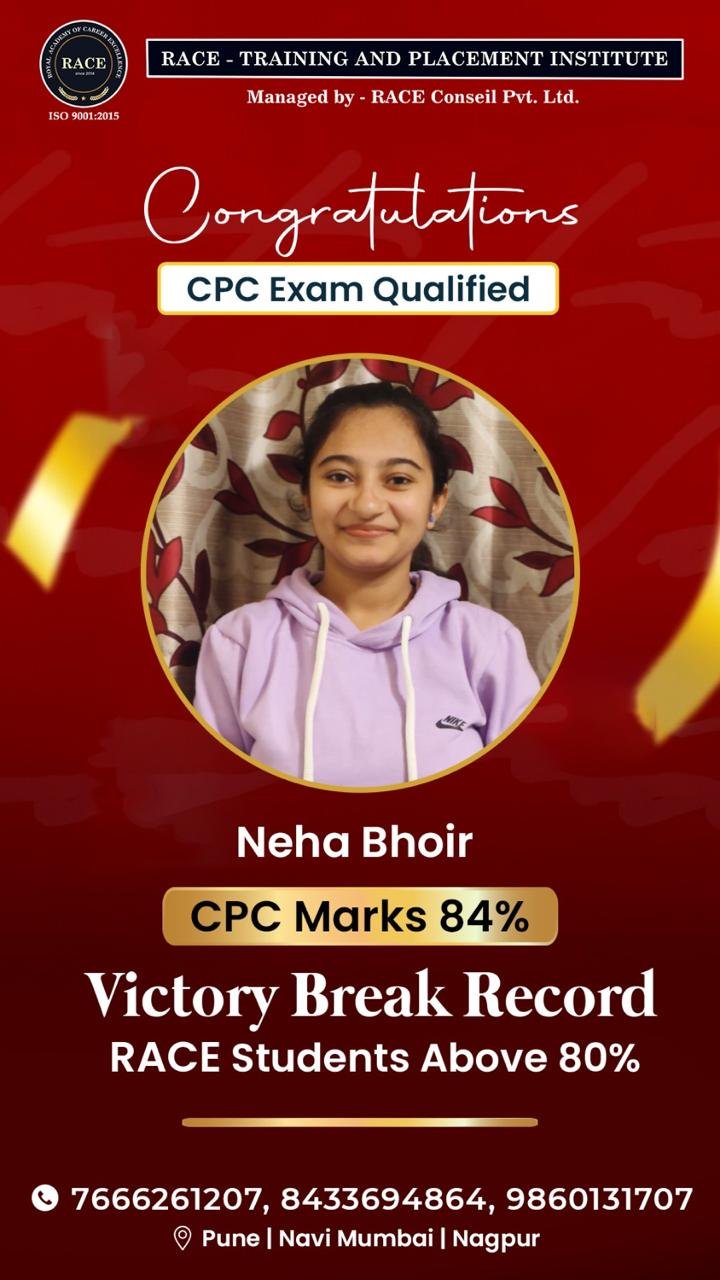
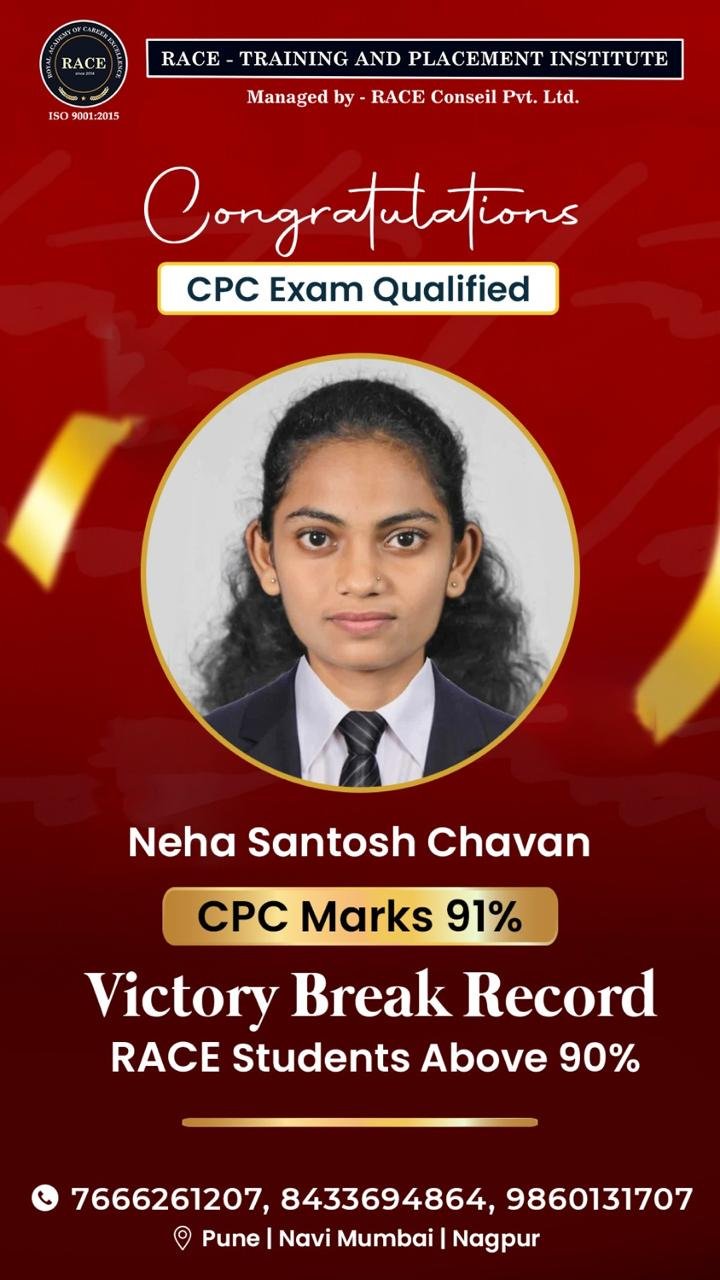
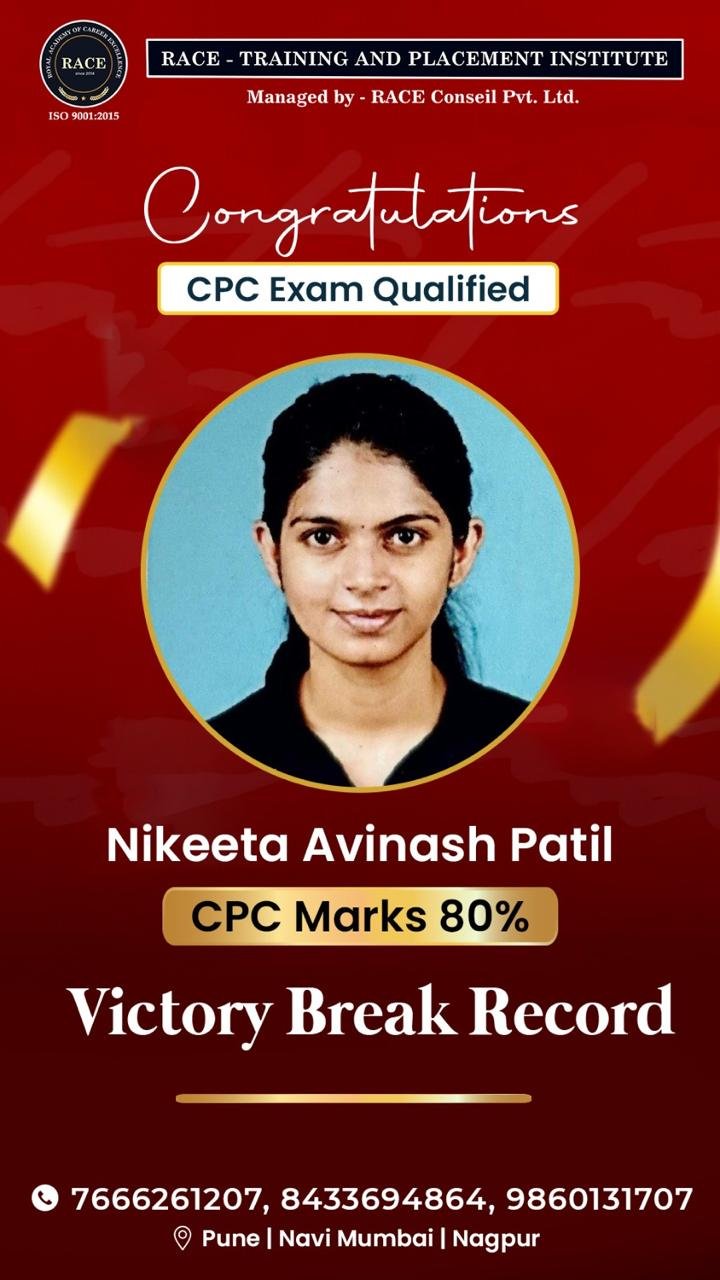
Success Stories from Our Students
Ashwini Dandale
The learning experience was structured and practical. Mentors explained concepts clearly, provided continuous support, and helped build confidence. The course significantly improved my skills and interview performance.
Pranjali Katkhede
Excellent institute with experienced faculty, supportive staff, and a positive learning environment. Practical training, expert guidance, and dedicated placement assistance helped me gain confidence and secure a rewarding career in the healthcare industry.
ANJALI WASNIK
RACE provided excellent training, expert guidance, and dedicated placement support. Thanks to their experienced faculty, I secured a position at iFedora Healthcare Services and confidently started my career in RCM.
Rohini Wanjar
My name is Rohini Wanjar. I am delighted to be placed at iFedora Healthcare Services. I sincerely thank RACE Institute and the trainers for their excellent guidance, continuous support, and placement assistance.
Bharti Pawar
My name is Bharti Pawar. I got placement in Ifedora through Race Institute. The teachers and staff are very supportive. They guided me well and helped me improve my confidence. Because of their training, I got this good opportunity. Thank you Race Institute.
Why Students Love Learning with Us
CPC-Certified Trainers
Learn from qualified professionals with extensive experience of 22+ years in medical coding and healthcare services.
Hands-On Practical Training
Build real-world coding skills through exercises, assignments, and case-based learning.
Industry-Focused Curriculum
Stay aligned with current healthcare industry requirements and coding standards.
Personalized Mentorship
Receive individual guidance, doubt-clearing support, and continuous encouragement throughout your learning journey.
Real Healthcare Case Studies
Gain practical exposure by working on scenarios that commonly arise in the workplace.
Regular Assessments & Feedback
Monitor your progress through tests, mock exams, and performance reviews designed to keep you exam and job-ready.
Start Your CPC Certification Journey with RACE
A successful healthcare career starts with the right guidance and training. If you are exploring opportunities in medical coding, our team is here to help you understand the career path, certification process, and job opportunities available in the industry.
Frequently Asked Questions
The exam fees are set by the AAPC and vary depending on total number of students, memberships, and retake choices. However, our team provides up-to-date fee details during enrollment to help you get the best package.
Yes, RACE Institute provides 100% placement support with dedicated recruitment drives, interview preparation, resume building, and direct mock interviews with leading healthcare and RCM companies.
The CPC Certification Course duration is typically 2 to 3 months, featuring intensive AAPC exam practice, real-world case studies, and multiple full-length mock exams.
Yes! Non-life science graduates are fully eligible. Our expert faculty provides foundational medical terminology and human anatomy training from basic levels to build strong expertise.